The Silk Road: Trade and Cultural Exchange
The Silk Road is a term used to describe a complex network of trade routes that connected civilizations across Asia, the Middle East, Africa, and Europe for more than two millennia. Rather than a single road, it was a web of land and sea paths that facilitated the movement of goods, ideas, technologies, and beliefs. These routes enabled interactions between diverse cultures, from the Han dynasty in China to the Roman Empire in the West, shaping the course of history in profound ways. The term itself was coined in the 19th century by the German geographer Ferdinand von Richthofen, but the exchanges it represents date back to antiquity. Understanding the Silk Road requires examining its geography, the commodities traded, and the cultural transmissions that occurred along its many branches.
Trade along these routes was rarely direct; goods often passed through many hands, with merchants specializing in specific segments. This relay system meant that a product like Chinese silk might travel through Central Asian intermediaries before reaching markets in Persia or the Mediterranean. Such exchanges were not limited to material goods; they also involved the spread of religious beliefs, artistic styles, technological innovations, and even diseases. The Silk Road thus served as a conduit for both prosperity and peril, illustrating the interconnectedness of ancient societies. This article explores the multifaceted nature of the Silk Road, focusing on its role in trade and cultural exchange, and how it shaped the development of civilizations across Eurasia.
Chronicle Press presents this overview to provide historical context and insight into a network that continues to fascinate scholars and the public alike. By examining the mechanisms of exchange, we can better appreciate the complexities of cross-cultural interaction and the enduring legacy of these ancient connections.
Geographical Scope and Historical Development
The Silk Road encompassed a vast expanse, stretching from the eastern coast of China to the Mediterranean Sea, with branches extending into Siberia, the Indian subcontinent, and the Arabian Peninsula. Its development was not a single event but a gradual process that unfolded over centuries, influenced by political stability, technological advances, and economic demand. The Han dynasty’s expansion into Central Asia around 130 BCE is often cited as a pivotal moment, as it opened up direct contact with regions to the west. Similarly, the rise of the Parthian and later Sassanian empires in Persia, and the Roman Empire in the Mediterranean, created a chain of interconnected markets that sustained long-distance trade.
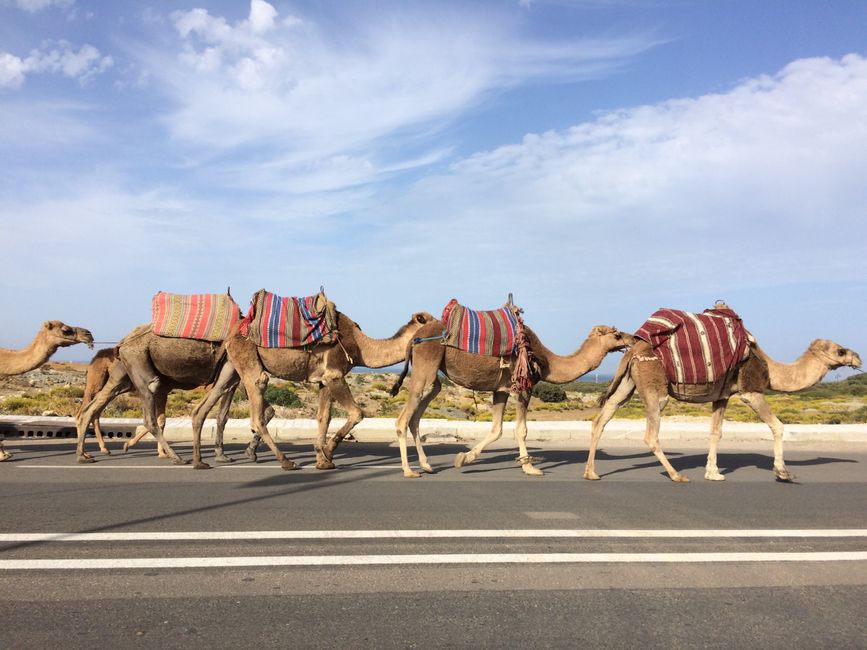
Environmental factors also played a crucial role. The routes traversed some of the world’s most challenging terrains, including the Taklamakan Desert, the Pamir Mountains, and the steppes of Central Asia. Merchants relied on a series of caravanserais—inns spaced a day’s journey apart—to rest and resupply. These facilities, often supported by local rulers, were essential for the viability of trade. Over time, sea routes complementing the land paths emerged, linking ports in the Indian Ocean and the South China Sea, further expanding the network’s reach.
Political shifts could disrupt or redirect trade. The collapse of the Mongol Empire in the 14th century, for instance, led to increased insecurity along land routes, contributing to a decline in overland trade and a rise in maritime alternatives. Nonetheless, the Silk Road’s influence persisted, adapting to changing circumstances and continuing to facilitate exchange in various forms.
Trade Goods and Economic Exchange
The Silk Road is named for silk, a luxury fabric that was highly prized in the West and for centuries remained a Chinese monopoly. Silk was light, durable, and valuable, making it ideal for long-distance transport. However, it was far from the only commodity traded. Merchants also dealt in spices, precious metals, gemstones, glassware, textiles, and paper. From China came tea, porcelain, and medicines; from India, cotton, spices, and ivory; from Persia, carpets, metals, and horses; and from Rome, gold, silver, and glass. This diversity of goods reflects the varied resources and productions of the regions connected by the network.
Trade was conducted through a series of intermediaries, each adding a markup, so that by the time goods reached their final destination, their prices had escalated significantly. This created opportunities for profit but also risks, as caravans faced banditry, harsh weather, and political instability. To mitigate these risks, merchants often formed partnerships and developed credit systems. The use of bills of exchange and letters of credit became common, allowing traders to conduct transactions without carrying large amounts of coin. These financial innovations were crucial for the expansion of trade and influenced the development of banking in later periods.
The economic impact of the Silk Road was substantial but uneven. Certain cities, such as Samarkand, Bukhara, and Kashgar, flourished as hubs of commerce and culture, while others remained peripheral. The flow of goods also stimulated local production and specialization, as regions focused on items they could produce efficiently for export. This interconnected economy laid the groundwork for the global trade networks that would emerge in the modern era.
Cultural and Intellectual Exchange
Beyond material goods, the Silk Road was a channel for the exchange of ideas, religions, and technologies. Buddhism traveled from India to China and Central Asia along these routes, leaving a lasting impact on art, architecture, and philosophy. Similarly, Islam spread through trade contacts, becoming a dominant religion in many Central Asian and Southeast Asian regions. Christianity, Manichaeism, and Zoroastrianism also found followers along the network, creating a mosaic of religious diversity. This exchange was not always peaceful; religious tensions occasionally arose, but overall, the routes facilitated a remarkable degree of cultural diffusion.
Technological innovations also moved along the Silk Road. Papermaking, invented in China, reached the Islamic world and eventually Europe, revolutionizing record-keeping and education. The compass, gunpowder, and printing techniques followed similar paths, though often with long delays. Artistic styles blended as well: Hellenistic influences can be seen in Buddhist art from Gandhara, while Chinese ceramics inspired Persian potters. These cross-cultural interactions enriched the societies involved, fostering creativity and adaptation.
Language and literature also benefited. Sogdian, a Central Asian language, served as a lingua franca for trade, while translations of texts—philosophical, scientific, and religious—were undertaken by scholars in cities like Baghdad and Merv. The exchange of knowledge was not one-way; Indian mathematics, including the concept of zero, traveled westward, while Greek astronomy and medicine were studied in the East. This intellectual commerce was as significant as the trade in tangible goods, shaping the intellectual heritage of both East and West.
Decline and Lasting Legacy
The Silk Road’s prominence gradually waned from the 15th century onward, due to a combination of factors. The rise of maritime trade routes, pioneered by European explorers, offered a more direct and cost-effective alternative for transporting goods. The fall of the Mongol Empire and the subsequent fragmentation of Central Asian political entities reduced the security and unity that had previously facilitated overland trade. Additionally, the discovery of the Americas and the subsequent shift in global trade patterns drew attention away from the Eurasian landmass.
Nevertheless, the legacy of the Silk Road endures. It serves as a historical example of globalization and cross-cultural exchange, demonstrating how interconnectedness can bring both benefits and challenges. The network’s influence can be seen in the spread of religions, languages, and technologies that continue to shape societies today. Modern initiatives, such as China’s Belt and Road Initiative, evoke the spirit of the ancient routes, though they operate in a vastly different context.
Scholars continue to study the Silk Road to understand the dynamics of pre-modern trade and cultural contact. The lessons learned—about cooperation, adaptation, and the flow of ideas—remain relevant in our increasingly interconnected world. Chronicle Press provides resources for those interested in exploring this rich history further, emphasizing the importance of understanding our shared past.
The Silk Road was not merely a conduit for goods but a vibrant tapestry of human interaction, weaving together diverse cultures and fostering a legacy of exchange that continues to resonate.