Daily Life in a Medieval Castle
Daily life within a medieval castle was a complex interplay of social hierarchy, functional necessity, and constant vigilance. These stone fortresses served not only as defensive structures but as administrative centers, residences, and symbols of power for the nobility who controlled them. The castle’s population included a diverse range of individuals, from the lord and lady to servants, soldiers, craftsmen, and clergy, each with distinct roles and routines. Understanding how these groups coexisted provides valuable insight into the social organization and cultural norms of the medieval period.
The rhythm of castle life was shaped by a combination of daily chores, seasonal obligations, and the ever-present need for security. Days began early and followed a structured schedule dictated by religious observances, meal times, and the demands of estate management. While the lord and lady enjoyed certain privileges, their responsibilities extended beyond personal comfort to include governance, diplomacy, and the welfare of those under their protection. Meanwhile, servants and soldiers formed the backbone of castle operations, ensuring that the household functioned smoothly and the stronghold remained defensible.
This article explores the daily experiences of nobles, servants, and soldiers within a typical medieval castle. It examines their living quarters, work routines, social interactions, and the ways in which their lives intersected. By focusing on process and context rather than dramatic events, a clearer picture emerges of how these fortified communities operated on a day-to-day basis.
The Lord and Lady: Governance and Domestic Authority
The lord and lady of the castle occupied the highest social tier and bore responsibility for both the estate’s management and the well-being of its inhabitants. Their day typically began with private devotions, often in a small chapel or oratory, followed by meetings with stewards, bailiffs, and other officials. These discussions covered matters such as agricultural production, taxation, legal disputes, and the maintenance of defenses. The lord might also receive messengers, petitioners, or visiting nobles, conducting diplomacy and alliance-building that could affect the entire region.
The lady of the castle often managed the domestic sphere, overseeing the household staff, food stores, and textile production. She supervised the preparation of meals, the spinning and weaving of cloth, and the care of the sick or injured. In many cases, she also acted as a deputy for her husband during his absences, issuing orders and managing the estate’s affairs. Her role required organizational skill, knowledge of accounting, and the ability to command respect from servants and soldiers alike.
Daily life for the noble family was not solely ceremonial; it involved practical challenges. Heating stone rooms in winter, ensuring adequate food supplies, and maintaining a network of loyal retainers were constant concerns. The lord and lady also participated in religious observances, patronized the arts, and hosted feasts that reinforced social bonds and displayed wealth. Their routines reflected a balance between privilege and duty, with leisure activities such as hunting, hawking, and board games interspersed with administrative tasks.
Servants and Staff: The Backbone of Castle Operations
Servants formed the largest group within the castle and performed the essential labor that kept the household running. Their ranks included cooks, bakers, butlers, chambermaids, stable hands, and general laborers. Work began before dawn, with fires to be lit, water to be drawn, and the great hall prepared for the day’s activities. Each servant had specific duties, often assigned by the steward or the lady of the castle, and they worked in close coordination to ensure that meals were served on time and that cleanliness was maintained.
In the kitchen, cooks prepared meals for the lord’s family and, separately, for the garrison and other staff. The diet varied by social status, with nobles enjoying meat, fish, and spiced dishes while servants typically ate simpler fare such as bread, pottage, and ale. Food preservation was a constant concern, leading to the use of salting, smoking, and drying techniques. The buttery and pantry stored wine, ale, and dry goods, and their management required careful inventory control to prevent spoilage and theft.
Servants also attended to the personal needs of the noble family, including dressing, bathing, and laundry. Chambermaids cleaned living quarters, made beds, and maintained fires in private chambers. Stable hands cared for horses, which were vital for transportation, warfare, and status. Although servants held low social rank, their proximity to the lord and lady could afford them certain privileges and opportunities for advancement. Loyalty and competence were rewarded, and some servants rose to positions of responsibility within the household.
Soldiers and Defenses: Security and Daily Routines
Soldiers stationed at the castle were responsible for its defense and for maintaining order within the surrounding area. The garrison might include knights, men-at-arms, archers, and crossbowmen, led by a constable or captain. Their days were structured around guard duty, training, and maintenance of equipment and fortifications. Watchmen patrolled the walls and towers, especially at night, looking for signs of attack or fire. Drills with weapons and drills for responding to alarms were conducted regularly to ensure readiness.
Life for soldiers involved a combination of boredom and danger. During peaceful periods, they might assist with patrols, escort duties, or the training of new recruits. They also performed tasks such as repairing stonework, clearing ditches, and stockpiling supplies. Pay was often irregular, and soldiers might receive food, lodging, and equipment in addition to or instead of coin. Their relationship with the local population could be tense, as they were both protectors and enforcers of the lord’s authority.
The castle’s defenses were designed to withstand sieges, with features such as thick walls, moats, drawbridges, and portcullises. Soldiers needed to understand how to operate these systems and how to respond to various threats. In times of siege, the entire castle community, including servants and civilians, might be called upon to support the defense by carrying water, tending fires, or repairing breaches. The soldiers’ morale and discipline were critical factors in the castle’s ability to hold out against an attacker.
Social Interactions and Hierarchy
Social interactions within the castle were governed by strict hierarchies and codes of conduct. The lord and lady occupied the top of the pyramid, followed by their immediate family, knights, and high-ranking officials. Below them were the servants, laborers, and soldiers, each with their own internal rankings. Movement between these groups was limited but not impossible; a skilled servant might gain favor and a better position, while a soldier could earn knighthood through exceptional service.
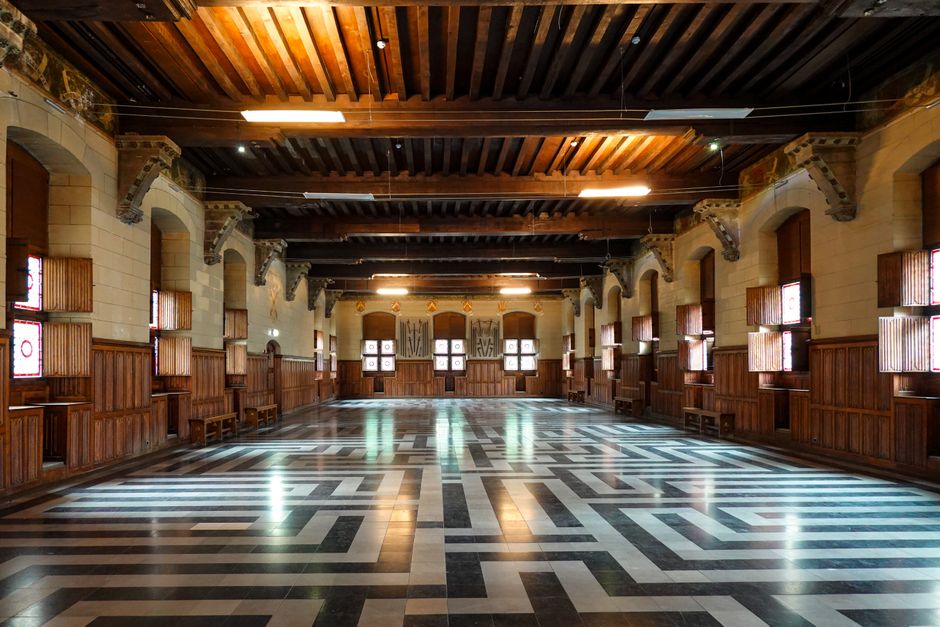
Meals in the great hall served as key social events where hierarchy was visibly reinforced. The lord and lady dined at a high table, while others sat at lower tables according to status. Food portions and quality often reflected rank, with the finest dishes reserved for the noble family. Conversations at meals might cover estate business, local news, and courtly gossip, providing opportunities for networking and the exchange of information.
Beyond meals, daily life included religious services, which brought together people from all social levels. The castle chapel hosted prayers and masses, and clergy offered guidance and education. Festivals and holy days provided breaks from routine, with feasting, music, and games. These occasions helped to reinforce community bonds and alleviate the monotony of daily labor. Despite the rigid hierarchy, interdependence was a fact of life; each group relied on the others for survival and comfort.
Daily Routines and Seasonal Rhythms
Daily routines in a medieval castle were closely tied to the agricultural calendar and the liturgical year. Spring and summer brought increased activity, with planting, harvesting, and military campaigns. The castle might be busier with visitors and soldiers during these seasons, and the lord might be away leading troops or attending to political matters. Autumn involved preparations for winter, including preserving food, storing grain, and repairing buildings.
Winter months were quieter but could be harsh. Cold temperatures made heating a priority, and the castle’s inhabitants spent more time indoors. Servants worked to keep fires burning and to ensure that food supplies lasted. Soldiers continued to guard the walls, often facing increased discomfort from the cold and snow. Entertainment shifted to indoor activities such as storytelling, music, and board games. The lord and lady might hold court, settling legal disputes and receiving guests who preferred to travel in milder weather.
Religious observances punctuated the year, with feast days and fast days affecting diet and daily schedule. The castle community gathered for masses on Sundays and holy days, and the clergy played a central role in education and record-keeping. These seasonal rhythms created a predictable structure that helped to organize life within the castle and reinforced the connection between the secular and spiritual realms.
Conclusion: A Complex and Interdependent Community
Daily life in a medieval castle was a multifaceted experience shaped by social rank, functional roles, and the need for security. Nobles, servants, and soldiers each contributed to the castle’s operation, and their interactions were governed by a combination of custom, necessity, and mutual dependence. While the lord and lady held authority, their position relied on the labor and loyalty of those beneath them. Servants ensured that the household ran smoothly, and soldiers provided protection and order.
Understanding these dynamics offers a window into medieval society and the ways in which people navigated a rigid yet interdependent world. The castle was not merely a fortress but a living community, with its own rhythms and challenges. By examining the daily routines of its inhabitants, we gain a deeper appreciation for the complexities of medieval life and the enduring human need for structure, security, and social connection.