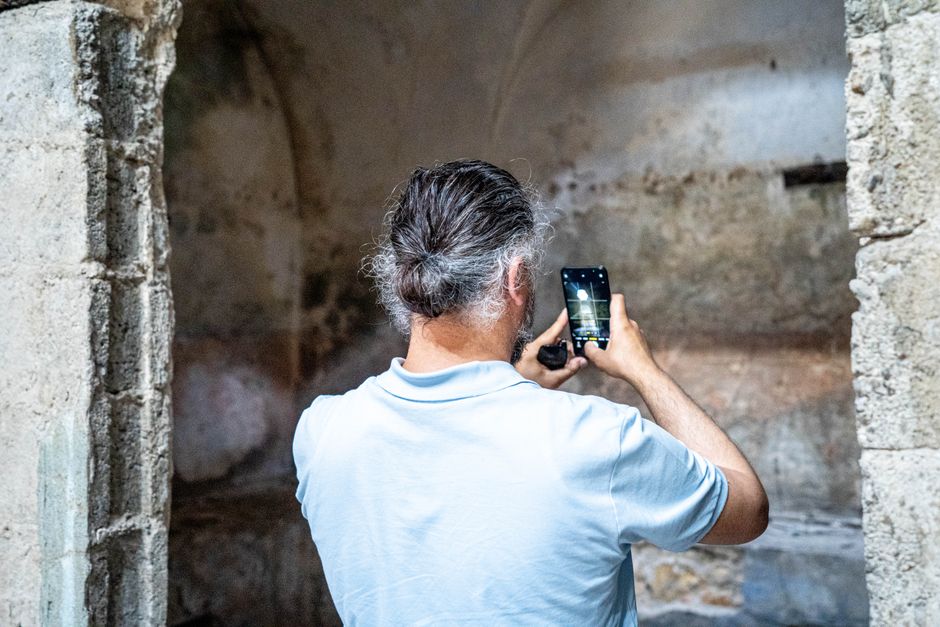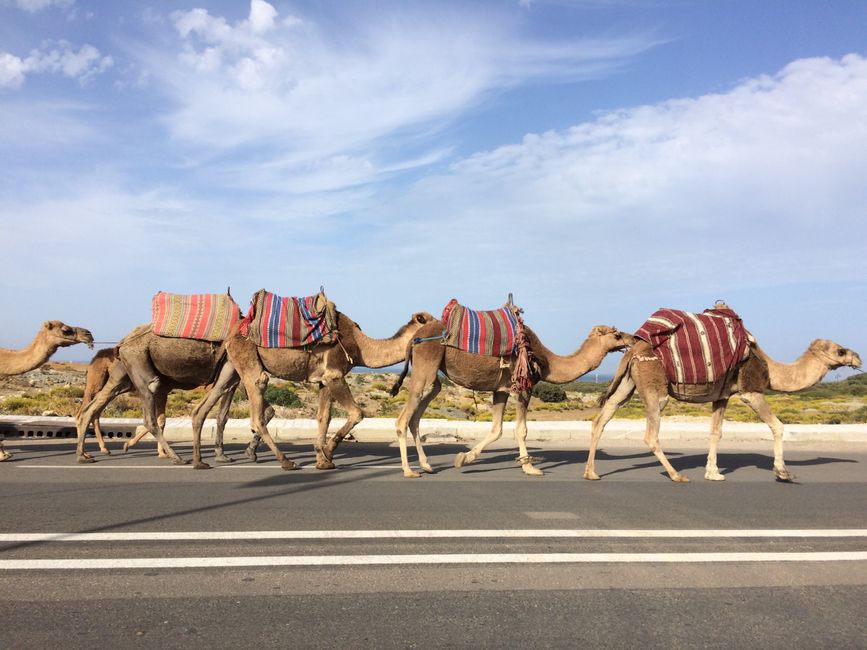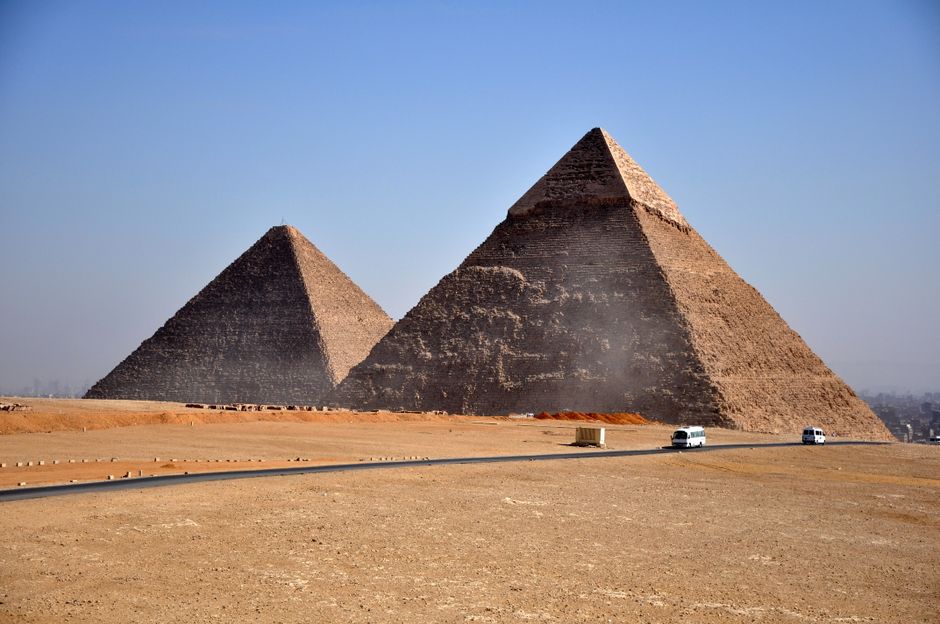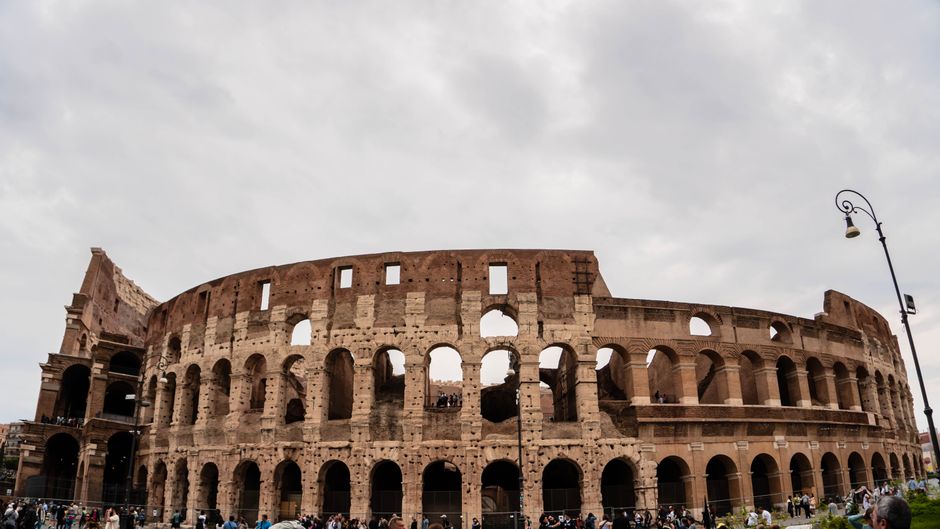
A man uses a smartphone to photograph ancient ruins indoors, capturing history through technology.

Chronicle Press

Discover how key events from ancient times to the modern era shaped civilizations, cultures, and technologies across the globe.

FAQ: Historical Overviews and Analyses

  • What types of sources are referenced in these historical overviews?
    The overviews draw on primary sources, scholarly works, and archaeological findings. Each entry cites its references, allowing readers to evaluate the evidence and context for themselves.
  • Which time periods and regions are covered in the analyses?
    The analyses span from ancient civilizations to the modern era, covering Africa, Asia, Europe, and the Americas. Coverage varies by entry, based on the availability of reliable historical records.
  • How are historical changes interpreted across different eras?
    Interpretations emphasize multiple factors—such as economic, cultural, and environmental influences—rather than single causes. This approach encourages a nuanced understanding of historical developments and their contexts.
  • Can these historical overviews be used for academic research?
    The overviews are intended for general education and informational purposes. They may serve as a starting point, but users should consult primary sources and peer-reviewed scholarship for academic work.
  • How often is the content updated with new historical insights?
    Updates occur periodically as new research emerges and scholarly consensus evolves. The site does not follow a fixed schedule, and not all entries reflect the latest findings.

The Tapestry of Human History

From the dawn of ancient civilizations to the interconnected world of today, key events have woven the fabric of human progress. These moments—whether the invention of writing, the rise and fall of empires, or the technological leaps of the industrial age—have shaped cultures, economies, and societies in profound ways. Understanding these turning points provides invaluable insight into how we arrived at our present state and what the future may hold.

  • Ancient Innovations: The development of agriculture, writing, and legal codes in Mesopotamia, Egypt, and the Indus Valley laid the foundation for complex societies.
  • Classical Foundations: Greek democracy, Roman law, and the spread of major religions influenced governance, ethics, and cultural identity across continents.
  • Medieval Crossroads: The Silk Road, the rise of Islam, and the European Renaissance facilitated the exchange of ideas, goods, and technologies.
  • Modern Revolutions: The Scientific Revolution, Enlightenment, and Industrial Revolution transformed economies, politics, and daily life, setting the stage for globalization.

Each of these eras brought forth innovations that continue to resonate. The printing press democratized knowledge, the steam engine powered industrialization, and the digital revolution connected the world in unprecedented ways. These advancements did not occur in isolation; they were the result of cultural exchanges, conflicts, and collaborations that crossed borders and generations.

By studying these key events, we gain a deeper appreciation for the resilience and creativity of the human spirit. They remind us that history is not merely a series of dates but a dynamic narrative that shapes our present and informs our future. As we navigate the complexities of the modern era, the lessons of the past remain our most valuable guide.